
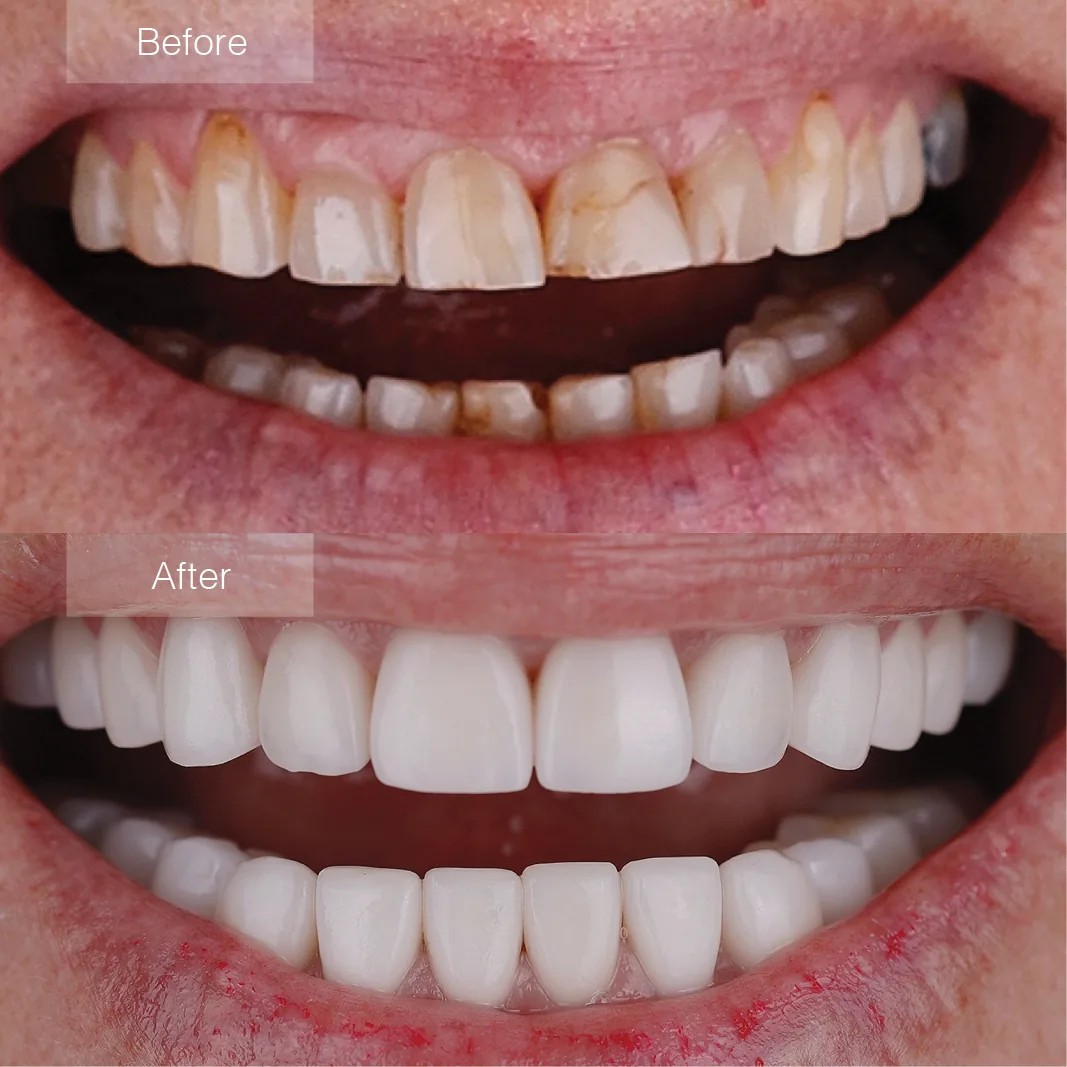
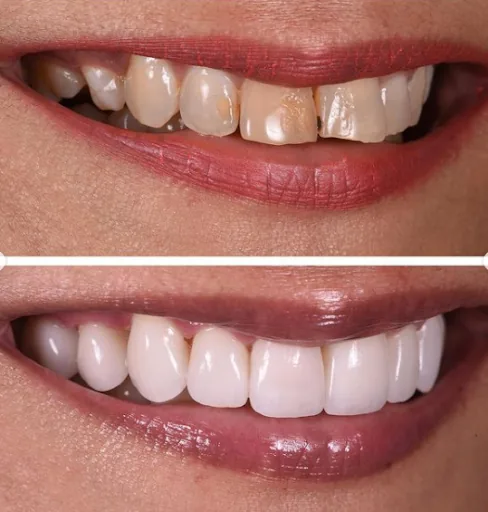
Dental veneers can help improve the appearance of teeth that are discolored, chipped, worn, unevenly shaped, or separated by small gaps. At MAP Dental Center in Houston, veneer treatment is planned around your dental health, facial features, smile goals, and bite. The goal is a natural-looking result that fits your mouth and supports comfortable everyday function.
Our office at 2222 Greenhouse Rd, Suite 800, Houston, TX 77084 serves patients from Houston, Katy, and Cypress. With digital dentistry and an in-house dental laboratory, our clinical and laboratory teams can coordinate closely throughout the planning and fabrication process.
What Are Dental Veneers?
Dental veneers are thin, custom-made coverings bonded to the visible front surfaces of teeth. They can be designed to adjust the apparent color, shape, length, and proportions of a smile. Veneers are different from crowns because they generally cover less of the tooth, although the amount of preparation depends on the tooth, the bite, the material, and the planned result.
Veneers are cosmetic restorations, but a healthy foundation still matters. Before treatment, the dentist evaluates your teeth, gums, bite, existing restorations, and any signs of decay or infection. Active dental problems may need to be treated before cosmetic treatment begins.
Types of Veneers
Porcelain Veneers
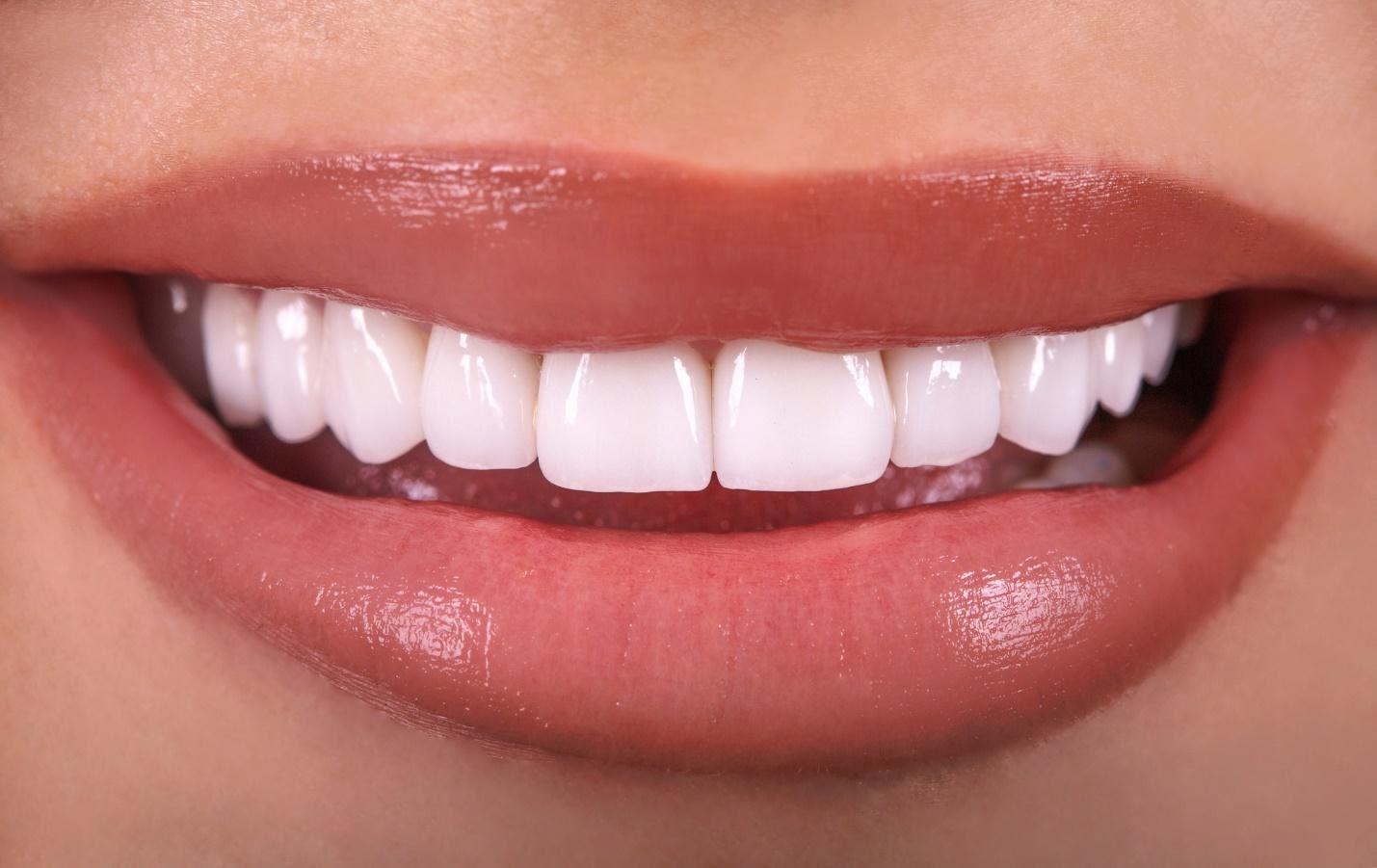
Porcelain veneers are fabricated to match the planned shape, shade, translucency, and texture of your smile. Porcelain can provide a natural appearance and is generally resistant to surface staining. It may be considered for concerns such as discoloration, small chips, worn edges, gaps, or irregular tooth shape when the teeth and bite are suitable.
Composite Veneers and Cosmetic Bonding
With composite bonding, a tooth-colored resin is shaped and bonded directly to the tooth. This option can be useful for selected minor cosmetic changes and may be completed in fewer visits. Composite does not behave exactly like porcelain, so it may be more susceptible to wear, chipping, or staining over time. Your dentist can explain which option fits your goals and budget.
No-Prep Veneers
No-prep or minimal-preparation veneers use very thin restorations and may require little or no enamel reduction in carefully selected cases. They are not appropriate for every smile. Adding material without enough space can make teeth look bulky or affect the bite, so an examination and treatment simulation are important before choosing this approach.
How Digital Planning Helps
A veneer treatment plan should be based on more than a shade choice. Digital scans, photographs, X-rays when indicated, and bite records help the dental team evaluate the relationship between your teeth, gums, lips, and facial features.
At MAP Dental Center, digital planning and the in-house laboratory allow the dentist and dental technicians to communicate directly about tooth proportions, shade, contour, and fit. A preview or mock-up may also help you understand the proposed changes before final restorations are made. Your dentist will explain what can realistically be changed and what limitations apply to your individual anatomy.
What to Expect During Veneer Treatment
- Consultation and examination: You discuss your goals and concerns while the dentist evaluates your oral health, bite, tooth structure, and existing restorations.
- Smile design: The team plans the number, shape, shade, and proportions of the restorations. Whitening may be recommended first if you want the natural teeth and veneers to blend.
- Preparation and records: If preparation is appropriate, a conservative amount of enamel may be removed to create space for the planned restoration. Digital scans and other records are then used by the laboratory.
- Temporaries or a trial smile: Depending on the case, temporary restorations or a mock-up may protect the teeth and let you evaluate the proposed shape and appearance.
- Final bonding: Once the veneers are ready, the dentist checks their fit, shade, contacts, and bite before bonding them. Minor adjustments may be made for comfort and function.
Every case is different. The number of visits, the need for temporaries, and the amount of preparation depend on the treatment plan. Local anesthetic can be used when needed, and the dental team will review comfort options before treatment.
Who May Be a Candidate?
Veneers may be considered for adults with cosmetic concerns such as stains that do not respond to whitening, small chips, uneven edges, minor gaps, or irregular tooth shape. Candidacy depends on more than appearance. The teeth and gums should be evaluated for decay, cracks, gum disease, enamel availability, and bite forces.
Patients who clench or grind their teeth may still have cosmetic options, but extra protection may be recommended. A custom night guard can help reduce stress on restorations. If the bite is unstable or a tooth has extensive structural damage, another treatment such as a filling, bonding, orthodontic treatment, or crown may be more appropriate.
How to Care for Veneers
- Brush twice daily with a soft toothbrush and fluoride toothpaste.
- Floss or clean between your teeth every day.
- Keep regular professional cleanings and dental examinations.
- Avoid biting ice, hard objects, packaging, pens, or fingernails.
- Tell the dental team if a veneer feels loose, rough, or uncomfortable.
- Use a recommended night guard if you grind or clench.
Veneers do not make the underlying teeth immune to decay or gum disease. Good home care and regular checkups help protect both the restorations and the natural tooth structure beneath them. Their service life varies with the material, bite, habits, hygiene, and maintenance.
If a Veneer Comes Loose
If a veneer becomes loose or comes off, save it in a clean container and contact your dentist. Do not use household glue or try to permanently reattach it yourself. The tooth may be sensitive while the veneer is off, and a dental professional should evaluate the restoration and the tooth before deciding whether it can be rebonded or needs to be replaced.
Cost and Insurance
The cost of veneers depends on the number of teeth, the material, the laboratory work, the condition of your teeth, and the other services included in your plan. Cosmetic procedures are often limited or excluded by dental insurance, but coverage varies by policy. MAP Dental Center can review your treatment plan and help you understand available payment or financing options.
Schedule a Veneer Consultation in Houston
A consultation is the best way to learn whether veneers are appropriate for your smile and what result is realistic for your teeth and bite. The MAP Dental Center team can explain porcelain, composite, and minimal-preparation options and develop a plan around your goals.
MAP Dental Center
2222 Greenhouse Rd, Suite 800
Houston, TX 77084
Call: (832) 281-2222
Contact MAP Dental Center today to schedule your personalized dental veneer consultation.